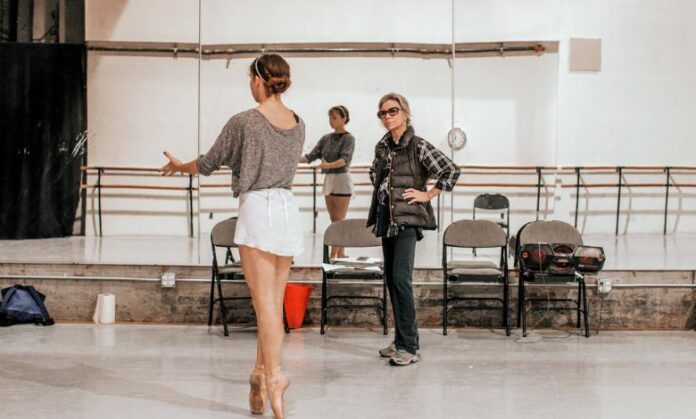


Gelsey Kirkland is an American ballerina, teacher, choreographer, and author known for her expressive stage presence and major roles with New York City Ballet and American Ballet Theatre. She became one of the most recognized American ballet dancers of her generation through classical roles, collaborations with leading choreographers, and a celebrated stage partnership with Mikhail Baryshnikov.
Kirkland rose quickly at New York City Ballet after joining the company as a teenager. She later moved to American Ballet Theatre, where she performed leading roles in major classical ballets including Giselle, Don Quixote, The Sleeping Beauty, Swan Lake, and The Nutcracker.
Her public legacy also includes her books, especially Dancing on My Grave and The Shape of Love, as well as her later work in ballet teaching and coaching.
Profile Summary Table
| Field | Details |
|---|---|
| Full Name | Gelsey Kirkland |
| Date of Birth | December 29, 1952 |
| Birthplace | Bethlehem, Pennsylvania, United States |
| Nationality | American |
| Profession | Ballerina, teacher, choreographer, author |
| Early Training | School of American Ballet |
| Major Companies | New York City Ballet; American Ballet Theatre |
| Joined NYCB | 1968 |
| NYCB Principal Promotion | 1972 |
| Joined ABT | 1974 |
| Known For | The Firebird, The Nutcracker, classical ballet roles, Baryshnikov partnership |
| Notable Partner | Mikhail Baryshnikov |
| Books | Dancing on My Grave, The Shape of Love, The Little Ballerina and Her Dancing Horse |
| Former Spouse | Greg Lawrence |
| Spouse | Michael Chernov |
| Later Work | Ballet teaching, coaching, staging, and education |
Early Life and Background
Gelsey Kirkland was born on December 29, 1952, in Bethlehem, Pennsylvania. She came from an artistic family: her father, Jack Kirkland, was a playwright, and her mother, Nancy Hoadley Kirkland, was an actress.
She trained at the School of American Ballet, the institution closely connected with New York City Ballet. As a young student, she gained early stage experience in children’s roles in George Balanchine productions such as The Nutcracker, A Midsummer Night’s Dream, and Harlequinade.
Kirkland joined New York City Ballet in 1968 at age 15. Her early rise was unusually fast: she became a soloist in 1970 and was promoted to principal dancer in 1972.
Career and Professional Journey
New York City Ballet
Kirkland’s professional career began at New York City Ballet, where she became associated with George Balanchine’s repertory and the company’s distinctive technical style. Her early roles included works by Balanchine and Jerome Robbins, and she quickly became known for combining technical clarity with dramatic sensitivity.
One of her defining early roles was the title role in Balanchine’s revival of The Firebird. The role helped establish her reputation as a young ballerina capable of carrying major classical and modern repertory.
Her time at New York City Ballet placed her among the most promising American dancers of the early 1970s.
Also Read: Anna Pniowsky Biography: Winnipeg Actress, Light of My Life, Sister Abigail, and Films
American Ballet Theatre
In 1974, Kirkland joined American Ballet Theatre as a principal dancer. The move expanded her repertory and gave her opportunities to perform major full-length classical roles.
At ABT, she danced roles including Giselle in Giselle, Kitri in Don Quixote, Clara in The Nutcracker, Aurora in The Sleeping Beauty, Juliet in Romeo and Juliet, and Odette/Odile in Swan Lake.
Her ABT years became central to her public legacy. They also placed her in close artistic partnership with Mikhail Baryshnikov, one of the most famous ballet dancers of the 20th century.
Partnership With Mikhail Baryshnikov
Gelsey Kirkland’s partnership with Mikhail Baryshnikov is one of the best-known parts of her career. Their performances together drew attention for technical precision, dramatic intensity, and strong stage chemistry.
Their 1977 televised American Ballet Theatre production of The Nutcracker remains one of the most widely remembered ballet broadcasts. Kirkland danced Clara, while Baryshnikov performed as the Nutcracker / Prince.
This production introduced their partnership to a broad television audience and remains a key reference point in discussions of Kirkland’s career.
Books and Writing
Kirkland became one of ballet’s most candid autobiographical voices through her published writing. She co-wrote Dancing on My Grave with Greg Lawrence, a memoir about her ballet career, artistic pressure, and personal struggles.
She later co-wrote The Shape of Love, a continuation of her autobiographical story, and The Little Ballerina and Her Dancing Horse, a children’s book.
Her books are important because they expanded public understanding of the pressures behind professional ballet. They also made her story known to readers beyond the dance world.
Teaching, Coaching, and Later Career
After retiring from performing in 1986, Kirkland shifted her focus to teaching, coaching, and ballet education. Her later work included teaching affiliations with major ballet institutions and staging classical repertory.
She also worked with Michael Chernov and Kevin McKenzie on a production of The Sleeping Beauty for American Ballet Theatre. In 2010, Kirkland and Chernov established the Gelsey Kirkland Academy of Classical Ballet.
Her later career reflects a transition from celebrated performer to mentor and educator, allowing her influence to continue through younger dancers.
Major Achievements and Recognition
Gelsey Kirkland’s achievements began with her early rise at New York City Ballet, where she joined the company at 15 and became a principal dancer by 1972. That rapid progression placed her among the most notable young American ballerinas of her era.
Her move to American Ballet Theatre in 1974 gave her a platform for major classical roles. Her performances in The Firebird, Giselle, The Nutcracker, Don Quixote, Swan Lake, and The Sleeping Beauty helped define her reputation.
Her partnership with Mikhail Baryshnikov, especially in The Nutcracker, remains one of the most recognizable chapters in American ballet history.
Kirkland also received the Dance Magazine Award in 2006. Her books and later teaching work further contributed to her influence as both a performer and educator.
Also Read: Who Is Susie McEntire? CCM Singer, Reba McEntire’s Sister, Career, and Life
FAQ Section
Who is Gelsey Kirkland?
Gelsey Kirkland is an American ballerina, teacher, choreographer, and author known for her work with New York City Ballet and American Ballet Theatre.
What is Gelsey Kirkland famous for?
She is famous for leading classical ballet roles, including The Firebird and The Nutcracker, and for her stage partnership with Mikhail Baryshnikov.
When did Gelsey Kirkland join New York City Ballet?
Gelsey Kirkland joined New York City Ballet in 1968 at age 15. She became a soloist in 1970 and a principal dancer in 1972.
What role did Gelsey Kirkland dance in Baryshnikov’s The Nutcracker?
Gelsey Kirkland danced Clara in Mikhail Baryshnikov’s 1977 televised American Ballet Theatre production of The Nutcracker.
What role did Gelsey Kirkland dance in Baryshnikov’s The Nutcracker?
Gelsey Kirkland danced Clara in Mikhail Baryshnikov’s 1977 televised American Ballet Theatre production of The Nutcracker.
What books did Gelsey Kirkland write?
Her books include Dancing on My Grave, The Shape of Love, and The Little Ballerina and Her Dancing Horse.
Conclusion
Gelsey Kirkland is a major figure in American ballet, known for her early rise at New York City Ballet, her principal-dancer career at American Ballet Theatre, and her celebrated performances with Mikhail Baryshnikov.
Her defining roles include The Firebird, The Nutcracker, Giselle, Don Quixote, Swan Lake, and The Sleeping Beauty. She also became widely known through her memoirs, which offered a candid view of ballet’s artistic and personal demands.
After her stage career, Kirkland continued to influence ballet through teaching, coaching, staging, and classical ballet education. Her legacy remains tied to performance excellence, artistic intensity, and a lasting contribution to American dance.
Also Read: Philip Labonte Biography: All That Remains Singer, Age, Bands, and Career