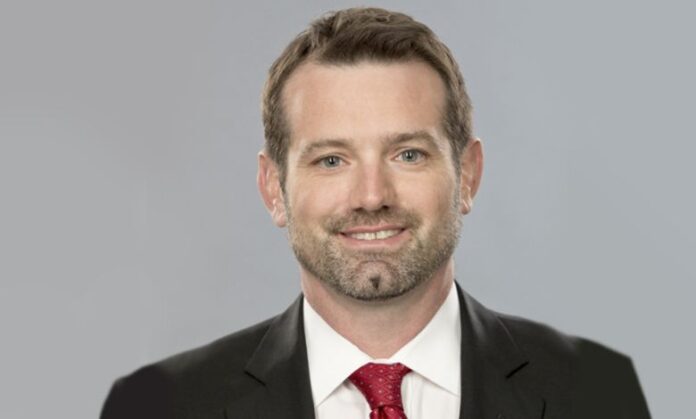


Craig Scanlon is an English guitarist best known for his long tenure with The Fall, the Manchester post-punk band led by Mark E. Smith. He joined the group in 1979 and remained part of its lineup until 1995, making him one of the band’s most important long-serving musicians.
Scanlon’s guitar work helped shape The Fall’s abrasive, repetitive, and angular sound during some of the band’s most influential years. His playing can be heard across major Fall albums including Dragnet, Grotesque (After the Gramme), Hex Enduction Hour, Perverted by Language, The Wonderful and Frightening World of The Fall, This Nation’s Saving Grace, and Extricate.
Before joining The Fall, Scanlon was connected to the local Manchester music scene through short-lived bands including The Sirens and Staff 9. Because his private life is not widely documented, a reliable biography should focus mainly on his music, The Fall years, and public career profile.
Profile Summary Table
| Field | Details |
|---|---|
| Full Name | Craig Scanlon |
| Date of Birth | December 7, 1960 |
| Birthplace | Manchester, England |
| Nationality | English / British |
| Profession | Guitarist, musician, songwriter |
| Known For | Former guitarist of The Fall |
| Main Genre | Post-punk |
| Instrument | Guitar |
| Main Band | The Fall |
| The Fall Tenure | 1979–1995 |
| Earlier Bands | The Sirens, Staff 9 |
| Key Bandmates | Mark E. Smith, Steve Hanley, Marc Riley, Brix Smith, Paul Hanley |
| Notable Albums | Dragnet, Grotesque, Hex Enduction Hour, This Nation’s Saving Grace, Extricate |
| Related Scene | Manchester post-punk |
| Public Profile | Low-profile musician known mainly for work with The Fall |
Early Life and Background
Craig Scanlon was born in Manchester, England, on December 7, 1960, according to public music references. He emerged from the Manchester music environment that produced The Fall and several other important post-punk acts in the late 1970s.
Before becoming known through The Fall, Scanlon played in The Sirens, a short-lived band associated with other musicians who later entered The Fall’s orbit. He was also part of Staff 9 with Steve Hanley before both musicians became members of The Fall.
Reliable public information about Scanlon’s parents, education, and private family life is limited. For that reason, biographical coverage should avoid unsupported personal details and focus on his documented music career.
Also Read:Who Is Gelsey Kirkland? American Ballerina, ABT, NYCB, and Mikhail Baryshnikov
Career and Professional Journey
The Sirens and Staff 9
Craig Scanlon’s early career is linked to The Sirens and Staff 9. The Sirens are generally described as a brief early band, while Staff 9 connected Scanlon with Steve Hanley, who later became The Fall’s long-serving bassist.
Staff 9 reportedly supported The Fall in early 1979. This connection helped bring Scanlon and Hanley into the group during a major lineup shift.
Joining The Fall
Scanlon joined The Fall in 1979 after the departure of guitarist Martin Bramah. At the time, The Fall were moving beyond their debut album, *Live at the Witch moving beyond their debut album, Live at the Witch Trials, and preparing a darker, denser second album, Dragnet.
His arrival came alongside other changes in the band’s structure. Marc Riley moved from bass to guitar, Steve Hanley joined on bass, and Scanlon became part of the guitar lineup that reshaped the band’s early sound.
Dragnet and the Early Fall Sound
Dragnet, released in 1979, was the first major Fall album to feature Craig Scanlon. His guitar work contributed to the record’s raw, jagged, and unsettled post-punk character.
The album marked a turning point for The Fall. Compared with the debut, Dragnet sounded heavier and more rhythmically unusual, with Scanlon and Riley helping to create a tense guitar framework around Mark E. Smith’s vocals.
Long Tenure With The Fall
Scanlon remained with The Fall from 1979 until 1995. During that period, the band went through repeated lineup changes, but Scanlon was a consistent presence through many of its most important recordings.
His long tenure included the Rough Trade era, the Beggars Banquet years, and the early 1990s Fontana period. This made him a central contributor to The Fall’s development from abrasive post-punk outsiders into one of Britain’s most influential alternative bands.
Guitar Style and Musical Role
Craig Scanlon’s guitar style is commonly associated with repetition, sharp edges, and rhythmic tension. Rather than relying on conventional rock soloing, his work often supported The Fall’s hypnotic grooves and fragmented song structures.
His playing worked closely with Steve Hanley’s bass lines, which were a major part of The Fall’s sound. Together, Scanlon and Hanley helped provide a musical foundation for Mark E. Smith’s distinctive vocal delivery.
Some secondary profiles mention Sonic Youth in relation to Scanlon’s guitar style. A more cautious reading is that The Fall, including Scanlon’s era of the band, influenced later alternative and post-punk musicians, including Sonic Youth.
Later Public Profile
After leaving The Fall in 1995, Scanlon kept a comparatively low public profile. Unlike some former members, he did not become widely known for a major solo career.
However, his connection to The Fall has continued through archival interest, reissues, live recordings, and interviews involving former band members. In 2024, Scanlon appeared in coverage of former Fall members connected to the release of Slates (Live), showing continued interest in the band’s classic-era musicians.
Also Read: Ivan Hernandez Biography: Dr. Ivan, Physical Therapy, Wellness, Family, and Career
Major Achievements and Recognition
Craig Scanlon’s most important achievement is his long-term role in The Fall from 1979 to 1995. Few musicians remained in the band for as long, and his guitar work became part of the group’s identity during a defining period.
He contributed to major Fall recordings including Dragnet, Grotesque (After the Gramme), Hex Enduction Hour, Perverted by Language, The Wonderful and Frightening World of The Fall, This Nation’s Saving Grace, and Extricate.
Scanlon is also credited as a composer on several Fall songs. Music databases and album listings identify him among the credited contributors on tracks from Dragnet and other releases.
His recognition is closely tied to The Fall’s broader legacy. The band has been widely discussed as an influence on alternative rock, indie, post-punk, and lo-fi musicians, with later artists often citing or reflecting the group’s experimental approach.
FAQ Section
Who is Craig Scanlon?
Craig Scanlon is an English guitarist best known as a former member of The Fall, the Manchester post-punk band led by Mark E. Smith.
When was Craig Scanlon in The Fall?
Craig Scanlon was a member of The Fall from 1979 to 1995.
What bands was Craig Scanlon in before The Fall?
Before joining The Fall, Craig Scanlon was associated with The Sirens and Staff 9, two early Manchester-linked bands.
What is Craig Scanlon’s guitar style known for?
Craig Scanlon’s guitar style is associated with angular, repetitive, rhythm-focused post-punk playing. His parts helped support The Fall’s tense and distinctive sound.
Did Craig Scanlon influence Sonic Youth?
The Fall as a band influenced many alternative and post-punk musicians, including Sonic Youth. Direct claims about Scanlon personally being inspired by Sonic Youth should be treated carefully unless strongly sourced.
Conclusion
Craig Scanlon is best remembered as one of The Fall’s defining guitarists. His career is closely tied to the Manchester post-punk scene and to the band’s most influential years between 1979 and 1995.
His early work with The Sirens and Staff 9 led to his entry into The Fall, where he became part of the lineup that recorded Dragnet and many later albums. His angular guitar style, songwriting credits, and long collaboration with Mark E. Smith and Steve Hanley made him an important figure in the group’s history.
Because Scanlon has kept a limited public profile outside The Fall, the most accurate biography should focus on his verified music career, key recordings, guitar contribution, and place in post-punk history.
Also Read: Ayden West Bio: Facts About the @whosroyal2 TikTok Creator